

How to Build an AI Agent for Lead Generation That Actually Works
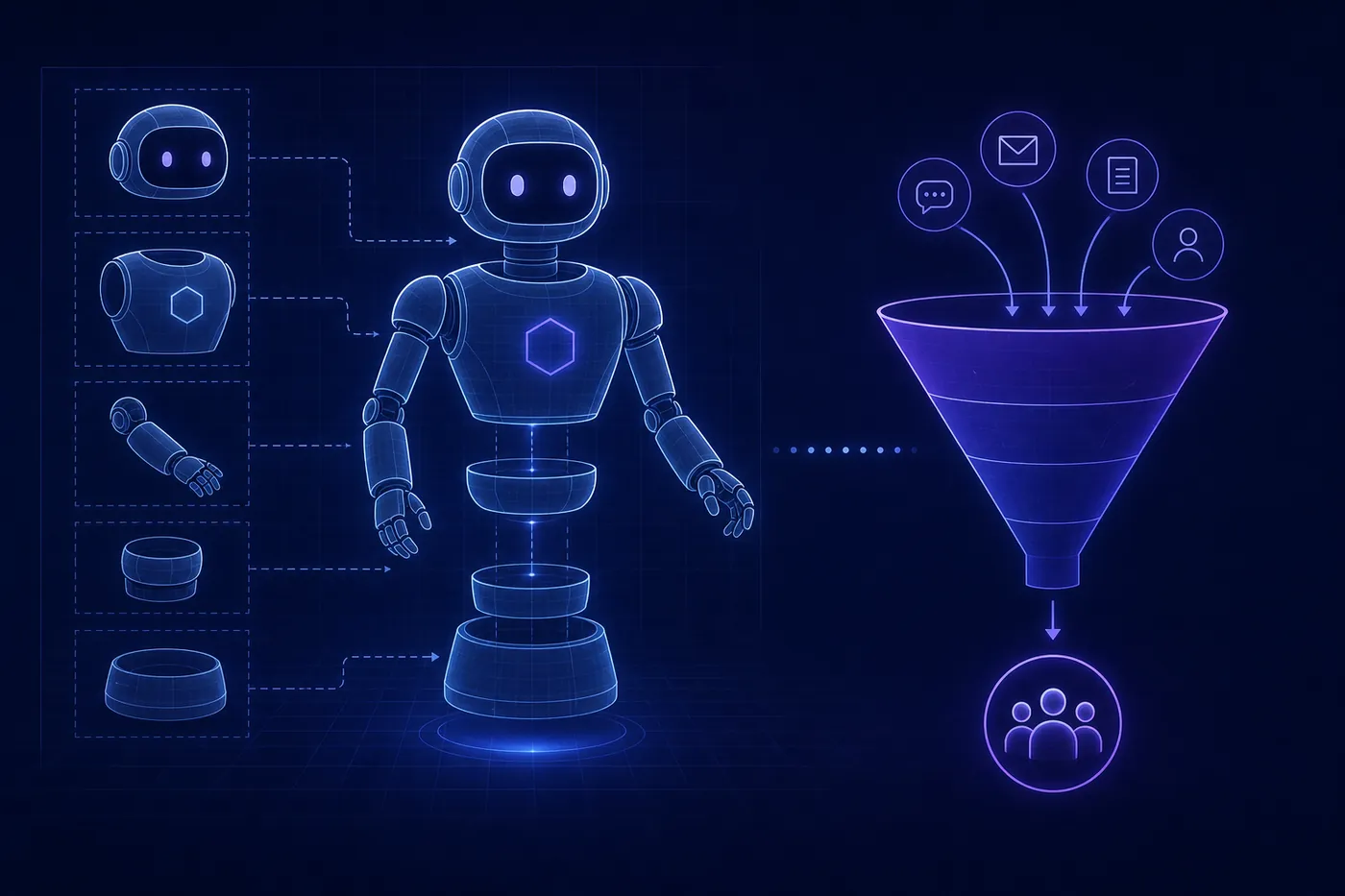
Building an AI Agent for Business Leads
Many business owners struggle with getting good leads. They try ads, social media posts, and follow-ups. Still, results often stay slow. This is where an AI agent can help. An AI agent can answer questions, collect details, and guide visitors. It can handle multiple conversations at once. It never gets tired. It can do simple tasks without breaks. The goal of this article is to show how to build such an agent. We will keep the process simple. Many owners feel unsure when they first use AI tools, but the process becomes easier with a step-by-step approach. It also gives a strong structure to your lead workflow. It helps both small and large businesses handle interest smoothly.
Understanding What an AI Lead Generation Agent Is
An AI lead-generation agent is a tool that communicates with potential customers. It can chat on your website or messaging platforms. It can ask questions and record details. It can help people understand your product or service. It can offer information in real time. It can also qualify leads based on interest. Many companies use such agents to save time. The idea is to convert visitors into possible customers. This makes the process easier for teams. It also builds clarity for users. People feel guided when they receive quick support. It helps reduce confusion. It makes the business look more responsive. Many users value this level of care. It builds trust over time. It encourages steady interaction.
Why AI Lead Generation Is Becoming Important
More people now search online before buying anything. This means their first impression happens on your website or social pages. If no one responds quickly, they leave. Studies show that slow response times reduce conversions (Source: https://www.forbes.com). AI helps by responding fast. It keeps users engaged. It reduces your team's workload. It increases the chance of turning interest into leads. Many businesses now depend on this to stay competitive. This makes the process easier for teams. It also builds clarity for users. People feel guided when they receive quick support. It helps reduce confusion. It makes the business look more responsive. Many users value this level of care. It builds trust over time. It encourages steady interaction.
Role of Automation in Lead Generation
Automation means doing tasks without human effort. In lead generation, it means collecting details and scoring leads. It lets your team focus on serious prospects. It reduces manual data entry. It saves time and energy. It also lowers the chance of mistakes. With AI, automation becomes smarter. It can learn from user behavior. It improves over time. This strengthens your lead process and makes it more reliable. This makes the process easier for teams. It also builds clarity for users. People feel guided when they receive quick support. It helps reduce confusion. It makes the business look more responsive. Many users value this level of care. It builds trust over time. It encourages steady interaction.
Meet Jaano AI Chatbot as an Example
Jaano AI Chatbot can be used as a model. It can chat with visitors. It collects their questions. It learns from conversational patterns. It can qualify leads based on the answers. It can route leads to a salesperson. It works around the clock. It reduces the drop rate of potential leads. It helps your business run more smoothly. This makes the process easier for teams. It also builds clarity for users. People feel guided when they receive quick support. It helps reduce confusion. It makes the business look more responsive. Many users value this level of care. It builds trust over time. It encourages steady interaction.
Steps to Build an AI Agent for Lead Generation
The first step is to define your goal. You must be clear about what the agent should do. The second step is to gather common questions customers ask. The third step is to train the agent to answer them. The fourth step is to link it to your website or platform. The next step is testing. You must test repeatedly to improve your responses. The final step is to monitor results. This helps you refine the agent. This makes the process easier for teams. It also builds clarity for users. People feel guided when they receive quick support. It helps reduce confusion. It makes the business look more responsive. Many users value this level of care. It builds trust over time. It encourages steady interaction.
Step 1: Define the Problem
A good AI agent starts with a clear problem. Many owners say they want more leads, but this is too broad. You must define the stage at which leads drop off. You must determine the kind of users you want. You must decide the agent's tone and style. You should write down sample dialogues. This serves as the foundation for your agent setup. Clear goals lead to better results. This makes the process easier for teams. It also builds clarity for users. People feel guided when they receive quick support. It helps reduce confusion. It makes the business look more responsive. Many users value this level of care. It builds trust over time. It encourages steady interaction.
Step 2: Collect User Questions and Data
Users ask different things when they visit. Some want product prices. Some want features. Some want demo calls. You must collect these questions. Check old chats and emails. Write down repeated queries. Use them to prepare training data. This makes the agent more helpful. The more real data you provide, the better the agent performs. This makes the process easier for teams. It also builds clarity for users. People feel guided when they receive quick support. It helps reduce confusion. It makes the business look more responsive. Many users value this level of care. It builds trust over time. It encourages steady interaction.
Step 3: Train the AI Model
This is where machine learning comes in. You will feed your collected data into the model. The model learns patterns of language. It starts forming responses. You can refine the reactions. You can add custom rules. The goal is to make the agent sound natural. Training is not a one-time task. You must keep improving it. Most successful AI agents improve over time. This makes the process easier for teams. It also builds clarity for users. People feel guided when they receive quick support. It helps reduce confusion. It makes the business look more responsive. Many users value this level of care. It builds trust over time. It encourages steady interaction.
Step 4: Connect to Your Website or Platform
Once your agent works well, connect it to your site. It could appear as a chat window. It could also connect to messaging platforms. Make sure users can find it easily. The design should be simple. The agent should greet users quickly. This encourages them to respond. Good placement helps increase engagement. Test the interface often. This makes the process easier for teams. It also builds clarity for users. People feel guided when they receive quick support. It helps reduce confusion. It makes the business look more responsive. Many users value this level of care. It builds trust over time. It encourages steady interaction.
Step 5: Lead Scoring and Follow-up
AI agents can score leads based on their level of interest. If someone asks many product-related questions, they are warm leads. If someone only browses lightly, they may be cold leads. Scoring helps your sales team work better. It prevents wasted time. The agent can also schedule calls. It can send follow-up links. This keeps the process smooth and steady. This makes the process easier for teams. It also builds clarity for users. People feel guided when they receive quick support. It helps reduce confusion. It makes the business look more responsive. Many users value this level of care. It builds trust over time. It encourages steady interaction.
Real World Impact of AI Lead Generation
A report shows that businesses using chat tools see higher engagement rates (Source: https://www.mckinsey.com). This means more users stay longer. A more extended engagement increases the likelihood of conversion. AI agents handle repetitive questions. They reduce stress on the team. They can scale when your traffic grows. They remove the waiting time for users. This improves user trust. It also creates a smoother lead journey. This makes the process easier for teams. It also builds clarity for users. People feel guided when they receive quick support. It helps reduce confusion. It makes the business look more responsive. Many users value this level of care. It builds trust over time. It encourages steady interaction.
Common Mistakes When Building an AI Agent
Some teams try to build very complex workflows. This makes the process confusing. Some teams ignore user questions. Some forget to update training data. Some place the chat window in a hidden corner. These mistakes lower performance. To avoid this, keep things simple. Keep improving responses. Review conversations weekly. This ensures steady growth. This makes the process easier for teams. It also builds clarity for users. People feel guided when they receive quick support. It helps reduce confusion. It makes the business look more responsive. Many users value this level of care. It builds trust over time. It encourages steady interaction.
How to Measure Success
You must track results to know if it works. Count how many leads come from the agent. Count how many conversations it handles. Check how long users stay engaged. Check how many leads turn into sales calls. Use these numbers to improve the agent. Success comes from small changes over time. Focus on steady progress. Consistent tracking leads to better outcomes. This makes the process easier for teams. It also builds clarity for users. People feel guided when they receive quick support. It helps reduce confusion. It makes the business look more responsive. Many users value this level of care. It builds trust over time. It encourages steady interaction.
Future of AI Lead Generation
AI and lead generation will continue to grow. Users want fast answers. Businesses wish for tools that save time. AI agents will soon become common. They will handle more tasks. They will sound more natural. They will understand intent better. The shift has already started. Early adopters benefit most. This is a good time to explore this field. This makes the process easier for teams. It also builds clarity for users. People feel guided when they receive quick support. It helps reduce confusion. It makes the business look more responsive. Many users value this level of care. It builds trust over time. It encourages steady interaction.